As New Zealand reaches its fastest EV transition on record, new data shows Kiwi drivers are switching for good – and the window for brands to reach them is wide open
JOLT, New Zealand’s leading public EV fast-charging and digital out of home network, today announced its strongest month ever for new customer registrations, with sign-ups jumping more than 60% month-on-month for new EV charging accounts in March 2026.
The milestone comes as New Zealand’s EV market reaches a turning point years in the making. EV registrations in 2026 are running 96.4% ahead of the same period last year – and that was before fuel prices moved sharply against petrol drivers. In March alone, petrol prices rose 18.6%, while diesel surged 42.6%, the largest monthly increase for both fuel types since Stats NZ began tracking vehicle fuel prices in 2011. Kiwi drivers who had been weighing up the economics of an EV found that the numbers had made the decision for them.
JOLT chief executive Doug McNamee said the numbers reflected a market that had decisively turned a corner.
“More New Zealanders than ever are going electric, and the shift is gaining momentum,” he said. “When petrol costs three to four times more per kilometre than an EV, and the grid is already over 80% renewable, the financial case doesn’t need incentives. It just needs visibility.”
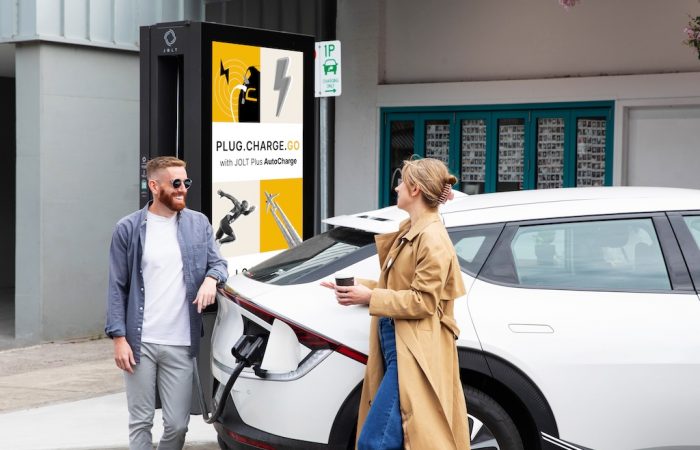
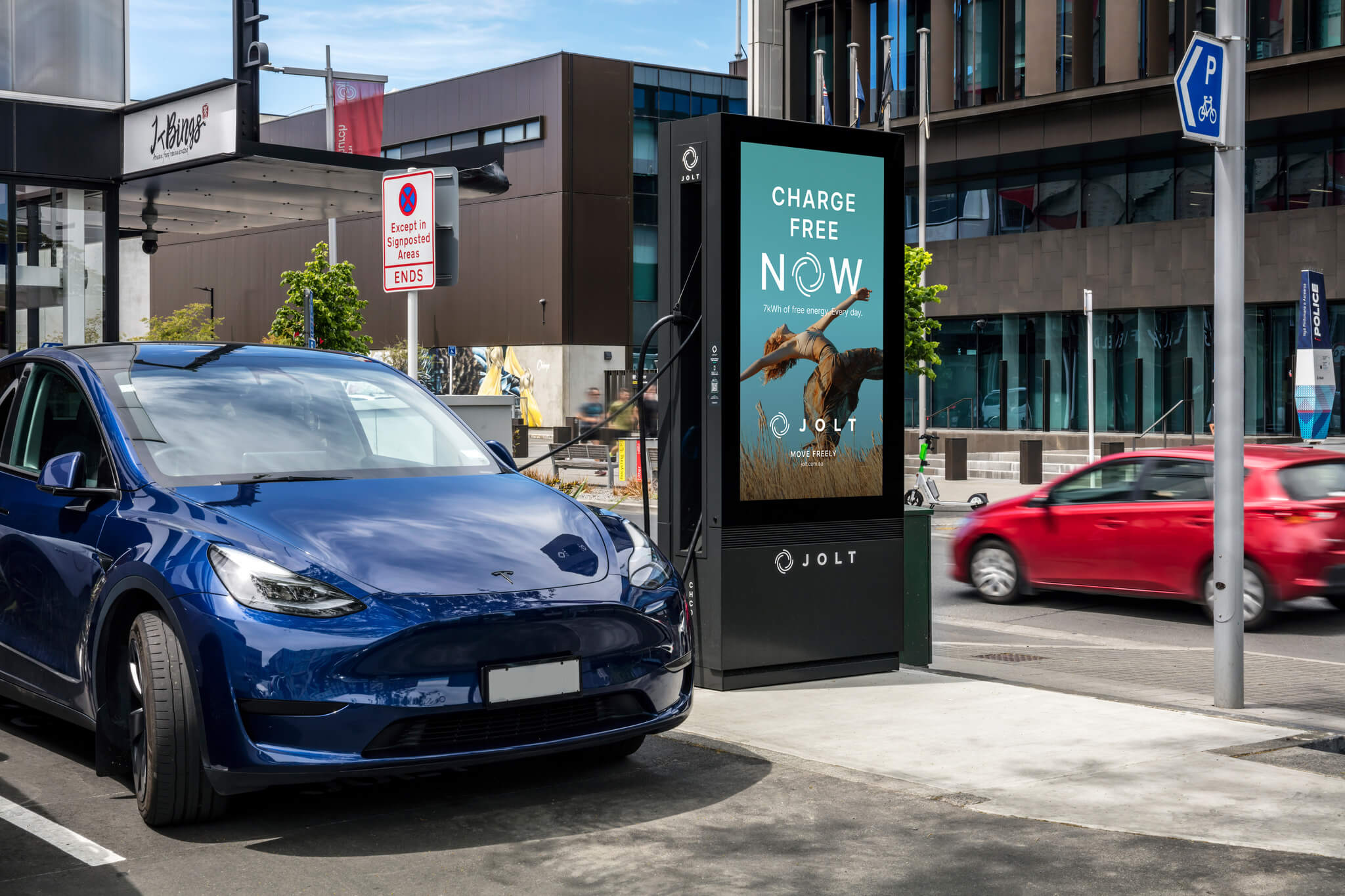
For new JOLT customers, the switch comes with an immediate financial benefit: JOLT offers drivers up to 7 kWh of free energy per day – enough for about 50 kilometres of driving – with a small connection fee applying. With New Zealand’s electricity grid now running on more than 80% renewable energy, EV owners pay roughly three to five cents per kilometre compared to 15 to 20 cents for petrol. Drivers can also check charger availability in real time through the JOLT app before leaving home, removing one of the last practical barriers to making the switch permanent.
JOLT’s latest New Zealand customer data confirms that infrastructure is doing the heavy lifting. Nearly seven in 10 customers had concerns about public charging availability before they bought their EV – yet 67.5% say they stopped worrying about charging entirely after making the switch. McNamee said the cost savings were meeting the expectations customers brought with them.
“The cost savings on EV ownership are real and they’re exceeding expectations,” he said. “Nearly seven in 10 of our customers had concerns about charging before they made the switch – but 67.5% say they stopped worrying about it entirely once they did. As the infrastructure becomes more visible, the practical barriers fall away.”
More than half of JOLTʼs New Zealand customers (55.6%) earn NZD 100,000 or more in household income, and over a third sit above NZD 150,000. Nearly three-quarters (72%) are aged between 34 and 64 – the career-peak window where household income is highest and purchase decisions are most consequential. Close to two-thirds are professionals, managers or business owners, and 63% have children at home, meaning the financial decisions they make ripple beyond the individual. These are not early adopters experimenting with new technology; they are established buyers who have done the research and committed.
“We’ve moved well past early adoption,” McNamee said. “These are mainstream buyers making pragmatic decisions – and when they make the switch, they bring the rest of the household with them. This is a permanent, recurring market, and New Zealand is right in the middle of it.” The data bears that out. Of JOLT’s New Zealand customers, 82% had researched their purchase online before they ever visited a dealership. Automotive brands, insurers, energy retailers and financial services companies that want to reach these buyers need to be present earlier in that process – and at the places where those buyers already spend their time.
Sources:
JOLT NZ network data, March 2026. JOLT Customer Survey, March 2026. Stats NZ vehicle fuel price data, March 2026. EVC Consumer Sentiment Survey, March 2026.