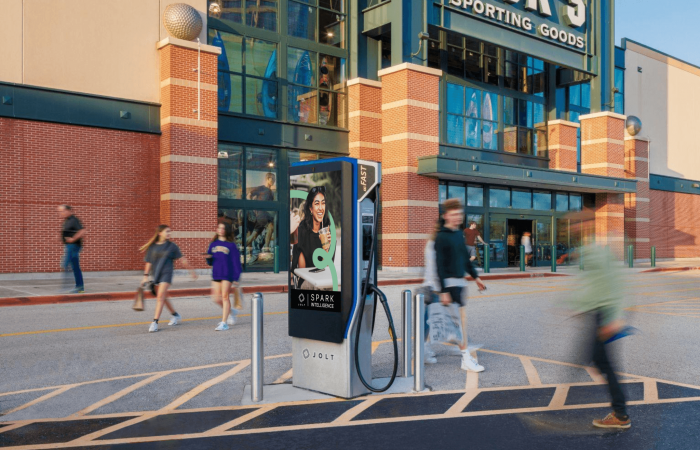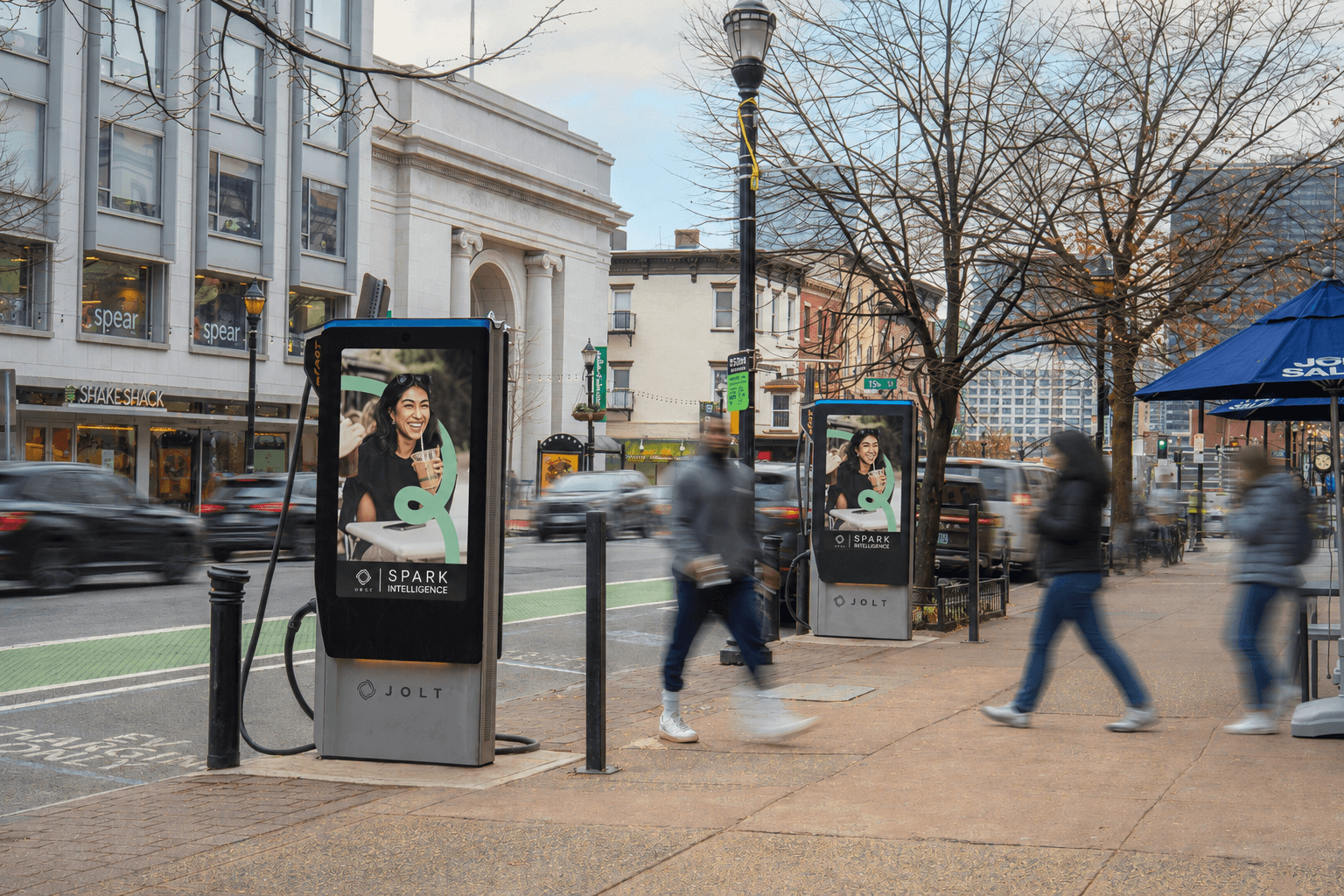
Start with the audience, not the screen.
Audience-first DOOH planning uses audience intelligence to understand where target consumers are concentrated before selecting screens. Rather than starting with available locations and inferring an audience afterwards, the audience helps shape the sitelist from the outset.
It’s a simple change in sequence, but it changes the conversation a planner can have with a client.
What happens when you start with the audience?
Screen-first planning typically begins with a location: a high-traffic corridor, strong footfall or a screen that looks right for the brief.
Spark Intelligence starts from the opposite direction.
Before a single screen gets shortlisted, the question is: who does the client actually need to reach, and where are those specific consumers concentrated in the real world?
The sitelist gets built around the answer.
For a planner, that means moving from “here’s where people are” to something much more relevant: “here’s where your people are, and here’s why.”
Every screen on the plan has a reason attached to it, tied back to the audience brief rather than just a location’s traffic count.
That’s what “start with the audience, not the screen” means in practice: audience data first, screen selection second.
Want to flip your next sitelist to audience-first? Let’s talk about how Spark Intelligence builds it.
Email us at: [email protected]