Chinese brands now dominate EV consideration among Australia’s most active electric vehicle drivers
The Australian electric vehicle market has undergone a dramatic brand realignment in less than a year and purchase decisions are being made well before drivers enter the showroom, according to new data from JOLT, creating an opportunity for auto brands to address the misalignment between where auto media spend is going versus where and when decisions are actually being made.
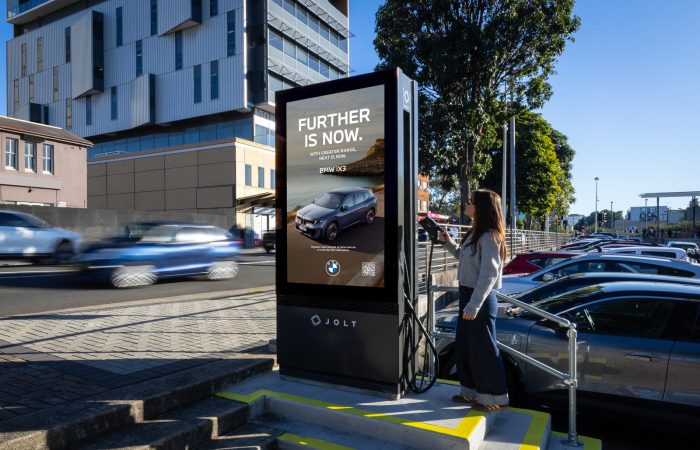
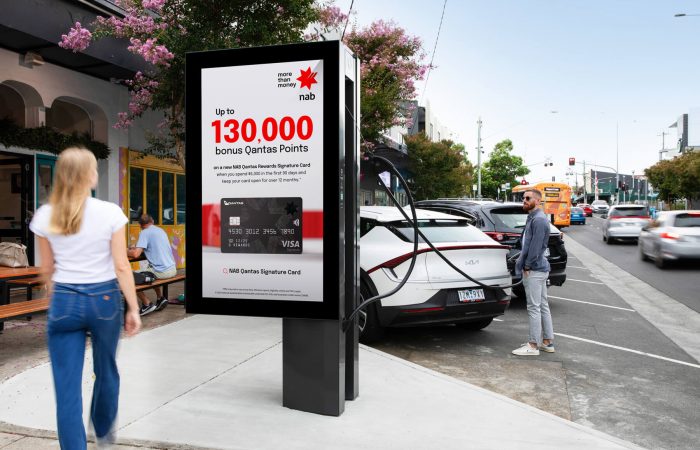
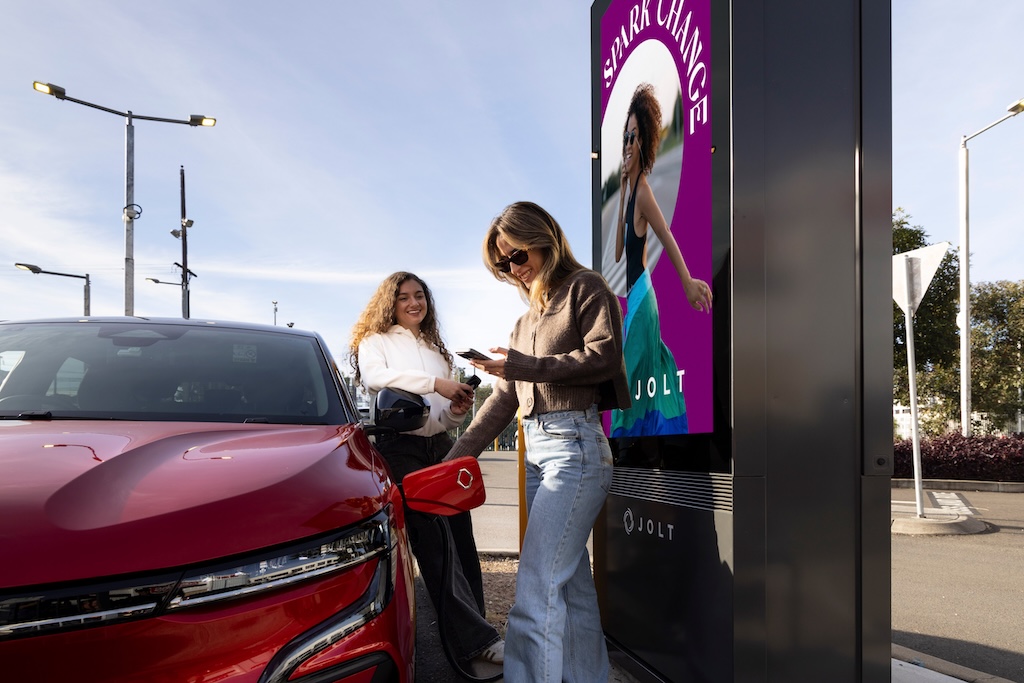
JOLT’s digital out-of-home network is located across premium urban locations in Sydney, Melbourne, Brisbane and Adelaide (and globally), reaching both broadcast roadside audiences and verified EV drivers at the exact moment their next vehicle decision is forming. New research from this driver base reveals just how high the stakes have become for auto marketers in reaching buyers in the moments that matter – and how quickly the brand landscape has shifted.
Chinese manufacturers now hold a dominant position in next vehicle purchase consideration: nearly three in five JOLT drivers (59%) include at least one Chinese brand on their shortlist for their next EV. One major brand saw its consideration share of JOLT’s verified driver base fall by 44% in just nine months.
JOLT’s research is drawn from an extensive pool of verified EV drivers, and provides critical insights for automotive brands, as well as adjacent categories, in engaging both the broadcast roadside audience, as well as the valuable EV audience when they already have an active buying mindset.
“What we’re seeing isn’t brand churn at the margins – it’s a structural reset,” JOLT CEO, Doug McNamee, said. “The consideration set for Australia’s most active EV buyers has been completely redrawn in under 12 months. Brands that were dominant are losing ground to EV competitors that many consumers couldn’t have named a year ago.”
Half of drivers plan to purchase a new EV
Nearly half of JOLT’s verified driver base (47%) is currently considering or planning a new EV purchase. Seventeen percent are actively in the market within the next 12 months. And of the 41% of households still running a petrol or hybrid vehicle alongside their EV, 58% plan to replace it with an EV within three years.
JOLT’s data also reveals a significant change in what’s driving purchase decisions – a shift that should inform how auto brands position their products and build their campaigns.
EV vehicle range has surged to the top purchase priority (+23 percentage points), followed by price sensitivity (+21 percentage points).
But the most surprising movement is in luxury: interior quality and luxury feel as a purchase driver doubled (+14 percentage points), while technology features, by contrast, fell by -5 percentage points.
“The EV buyer of 2026 wants more range, better value, and a premium feel. They’ve stopped being impressed by technology for its own sake. Brands still leading with innovation credentials may be pitching to a buyer profile that no longer exists,” McNamee said.
The brand battle is won before the showroom
What makes this shift commercially imperative for auto marketers is where and when the shift in brand preference is happening. JOLT’s data reveals that half of Australian EV buyers (50%) had already decided exactly what they want before setting foot in a dealership – and just 5% relied on the dealer or test drive to make their decision.
“Only 5% of the most valuable auto segment in the Australian market is genuinely open to influence at the point of sale. The other 95% have already made up their minds – and that decision is being shaped well before consumers step foot into the showroom,” McNamee said.
“The brands that aren’t visible during the consideration phase aren’t on the shortlist when the buyer walks in. By the time they reach a dealership, the conversation is largely over. Auto brands need to work harder in retaining and influencing customers now, however, traditional auto advertising is investing heavily in the final 5%.”
Australia’s surge in EV interest has been reflected in JOLT’s customer base, with new registrations jumping by 54.5% month on month in March, providing advertisers with a larger pool of potential customers and valuable first party data insights.
About the research JOLT’s March 2026 EV Driver Survey was conducted among 702 verified active users of the JOLT fast-charging network in March 2026. Respondents are urban Australian EV drivers with confirmed charging activity on the JOLT network. Results reflect the attitudes and behaviours of Australia’s most active public EV charging audience. A June 2025 wave (n=1,108) provides longitudinal comparison data across key metrics. Both waves were conducted via the JOLT app.